Database of restaurants with attached gardens maintained by DISAFA
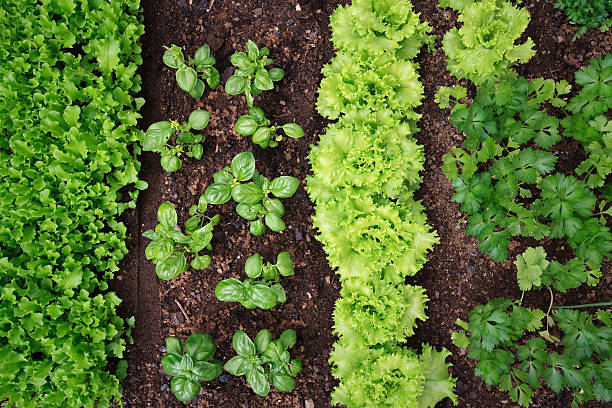
The availability of fresh, self-grown food has always been an
important source of sustenance. Vegetable gardens have existed in various forms throughout
history: for example, in the Middle Ages, monastic gardens played a fundamental role
in providing food and medicine, growing both fruit and vegetables as well as
aromatic and medicinal plants. The same tradition continued with royal vegetable gardens, where ad hoc spaces
were set aside in castle gardens to ensure the availability of fresh ingredients.
Today, thanks to organized distribution and globalization, the availability of fruit and vegetables
at any time of year is simplified, seemingly making the need to grow your own
produce superfluous. However, the culture of vegetable gardens is still strongly present : the species cultivated
may be different from those of the past, but the desire to grow and harvest vegetables and fruit is
still alive. Vegetable gardens have colonized new spaces, such as schools, hospitals, and restaurants, and their presence has taken on new meaning.
Restaurants with a vegetable garden can ensure high-quality produce, thanks
to the zero-time gap between harvesting, consumption, and use. Furthermore, this phenomenon is
common not only in rural restaurants but also in city-based ones, thanks to the organization
of dedicated spaces, such as rooftops or dedicated greenhouses.
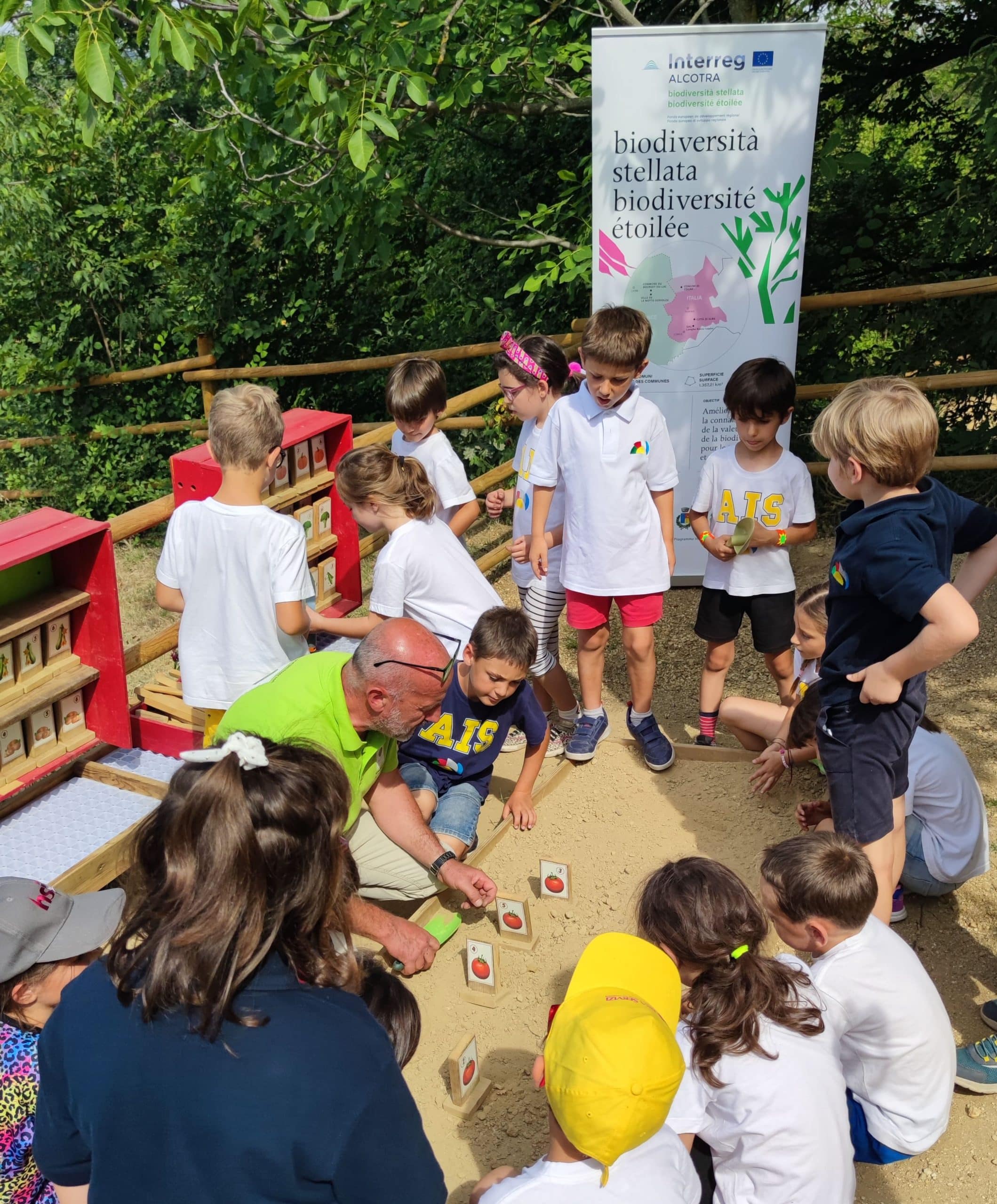
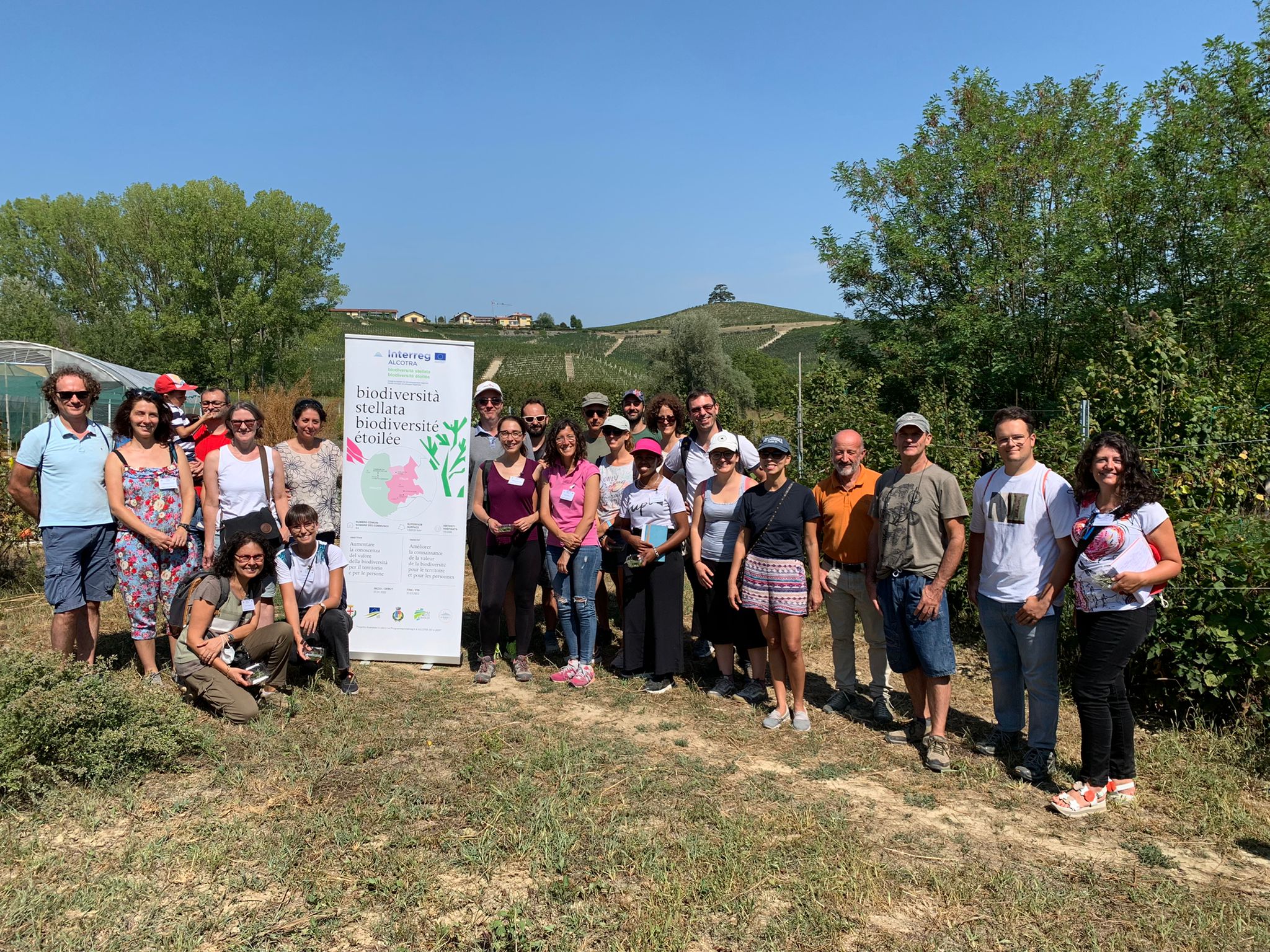
The Municipality of Alba, part of a cross-border program with France, has decided to implement
initiatives related to biodiversity, starting with the agri-food sector. Specifically, the
" Biodiversità Stellata/Biodiversité Etoilée " project, funded by the Interreg VA
France-Italy ALCOTRA 2014-2020 program, aims to enhance and increase awareness of
traditional local agri-food products and protect environmental heritage through the
promotion of biodiversity. In addition to the Municipality of Alba, the lead partner, this project
also involves other partners: the Local Action Group GAL Langhe Roero Leader, the Municipality of Cogne
(Aosta Valley), and the French partners of the Municipalities of La Motte-Servolex and Bourget-du-
Lac.
Thanks to the valuable collaboration with the Department of Agricultural, Forestry, and Food Sciences (DISAFA) of the University of Turin, it was decided to dedicate part of the project to exploring the phenomenon of restaurants with vegetable gardens , to highlight their presence and their role in protecting agri-food biodiversity and local specialties. By gathering information on their distribution, history, and narratives, a database of restaurants with vegetable gardens was created, including two case studies and a list of restaurants in the project partners' areas, in the Piedmont Region, in Italy, and around the world.
Download the study conducted by DISAFA of the University of Turin here
Other Stellar Biodiversity projects
Submit your cultural event.